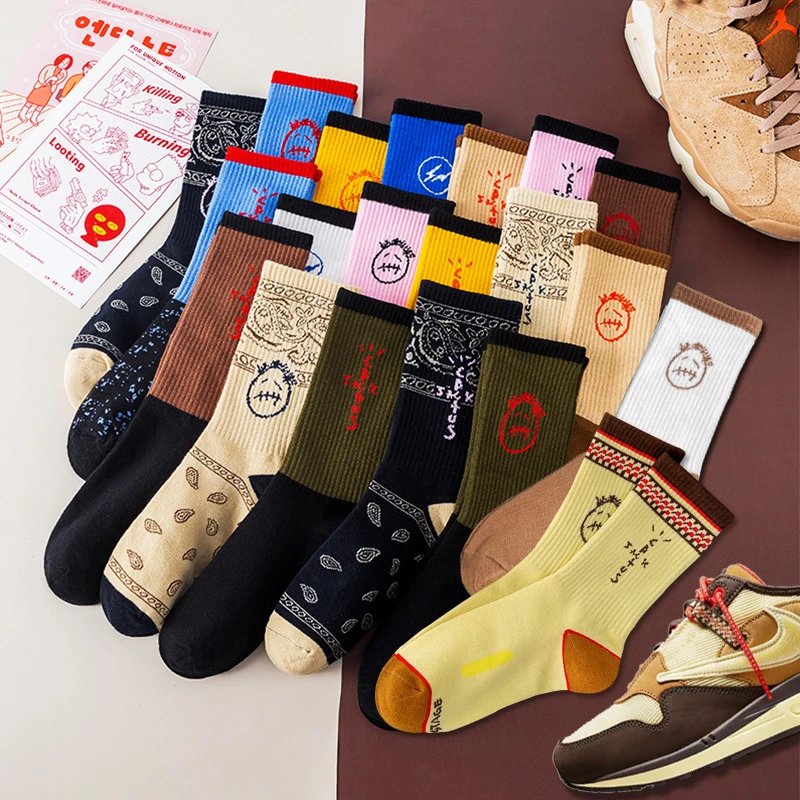
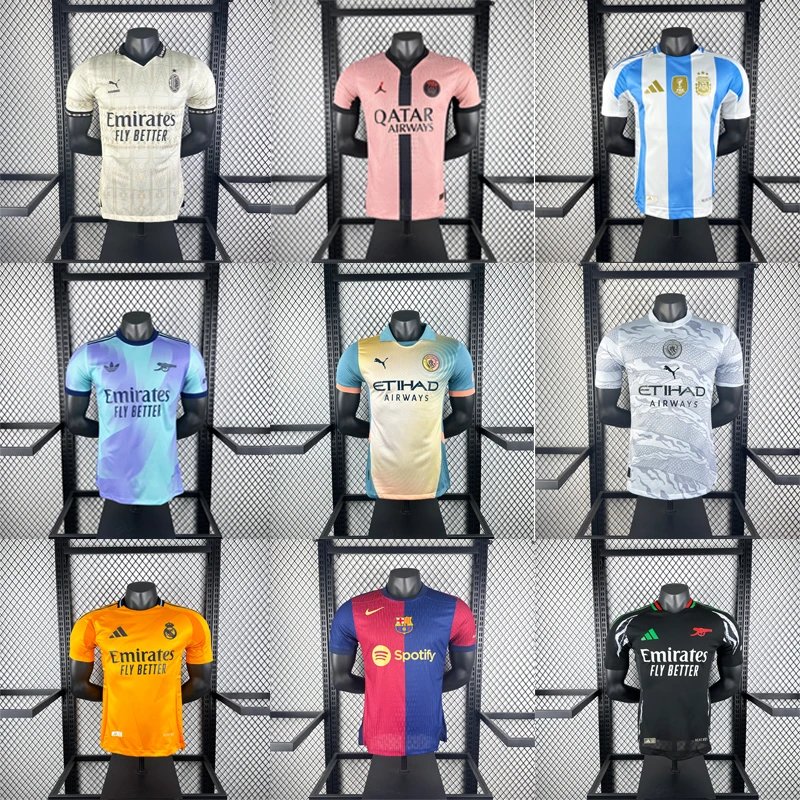
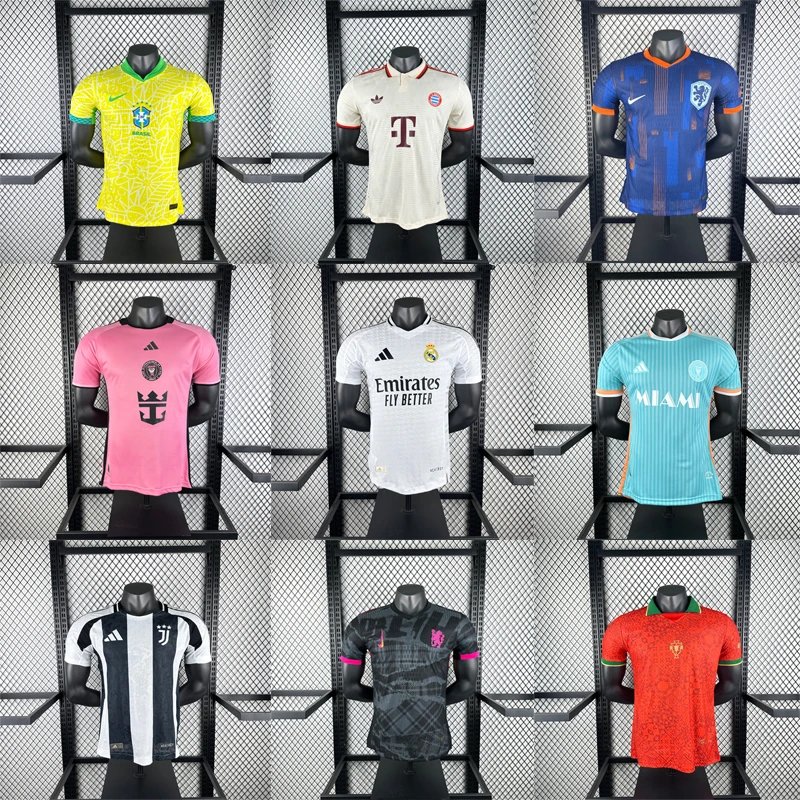
In the fast-paced world of collectibles and limited edition items, anticipating demand is the key to success. The KAKOBUY Spreadsheet
Limited edition items—from designer toys and trading cards to exclusive apparel—often follow predictable cyclical patterns. These trends are driven by factors like holidays, cultural events, anniversaries, and school vacations. Historical sales data within your KAKOBUY spreadsheet acts as a crystal ball, revealing these invisible patterns. A well-organized dataset is crucial. Create separate sheets or tables for Sales HistoryShipping Data. With your data logged, follow this three-step analytical process within your spreadsheet. Use simple line charts or bar graphs to plot Sale PriceUnits Sold
Layer your sales charts with your event timeline. This action often reveals direct correlations. A spike in trading card sales every August might align with a major championship tournament, signaling a pre-event buying opportunity. Analyze your Shipping Databefore
Imagine you track limited edition sneakers. Your KAKOBUY spreadsheet shows that a specific model line spikes in demand and average selling price every JuneDecember. Your Action Plan: The KAKOBUY Spreadsheet
Why Historical Data is Your Greatest Asset
Structuring Your KAKOBUY Spreadsheet for Trend Analysis
Core Data Points to Track
Data Category
Specific Metrics
Analytical Insight
Sales History
Item Name, Release Date, Sale Date, Sale Price, Units Sold, Platform
Identifies reoccurring price appreciation periods and liquidation sweet spots.
Shipping & Logistics
Shipping Date, Carrier, Cost, Destination, Transit Time
Forecasts logistical bottlenecks and periods of elevated overhead cost.
External Events
Holidays, Conventions, Media Releases, Product Anniversaries
Links demand spikes to tangible causes, enabling proactive sourcing.
How to Identify and Act on Seasonal Trends
Step 1: Visualize the Data
Step 2: Cross-Reference with Events
Step 3: Anticipate Cost Changes
Practical Application: A Hypothetical Case
Conclusion: From Reactive to Proactive
KAKOBUY Spreadsheet: Mastering Seasonal Trends in Limited Edition Items
2026-02-16